Retro 90s Boombox Tee: A Designer's Nostalgic Asset
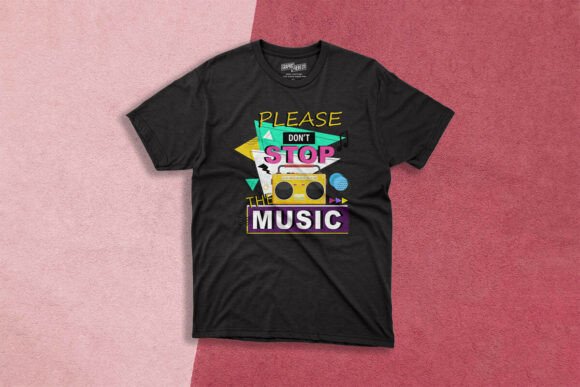
Instantly recognizable and bursting with attitude, a well-executed retro 90s aesthetic does more than just look cool—it communicates a specific, powerful vibe. The Retro 90s Music Boombox T-Shirt Design is a perfect case study in leveraging visual nostalgia. This vibrant design, featuring a classic boombox and bold "Please Don't Stop The Music" typography, isn't just apparel; it's a versatile creative asset that taps into a rich vein of cultural memory. For designers and brands, it offers a ready-made toolkit for injecting energy, personality, and instant recognition into a wide array of projects.
Anatomy of an Effective Visual Style
Understanding why this design works is key to applying its principles effectively. Its power lies in the deliberate combination of specific graphic design elements:
- Iconic Imagery: The boombox is a universally understood symbol of music, community, and a pre-digital era. Using such a potent icon creates immediate connection and reduces the need for explanatory text, which is a win for visual hierarchy and clarity.
- Bold Typography: The statement "Please Don't Stop The Music" is more than a phrase; it's a direct address to the viewer. The typography style—likely chunky, perhaps with a chrome or neon effect—mirrors the era's graphic trends, ensuring the message and the medium are perfectly aligned.
- Strategic Color Palette: The neon-style colors (think electric blue, hot pink, acid green) against a dark background create high contrast and visual pop. This isn't just aesthetic; it's a practical choice for ensuring visibility on merchandise, social media feeds, and digital interfaces where grabbing attention is paramount.
- Geometric Composition: The use of geometric shapes adds structure and a modern edge to the nostalgic subject matter. This blend of old and new prevents the design from feeling dated, making it suitable for contemporary branding and modern aesthetics.
Practical Applications Across Creative Projects
The true value of a design asset like this is its adaptability. Its strong visual identity makes it a powerful tool across multiple domains, enhancing brand storytelling and user engagement.
For Branding and Marketing
A brand targeting a music-loving, youthful, or retro-enthusiast demographic can use this design style as a cornerstone of its brand identity. It translates seamlessly into logo design inspiration, event posters, and packaging design for products like headphones, vinyl, or streetwear. In digital marketing, these visuals create scroll-stopping social media graphics and engaging ad campaign materials that stand out in a crowded feed.
For Digital and Editorial Design
Integrating this style into web design or UI design can create a memorable user experience, especially for music blogs, festival websites, or entertainment apps. The bold typography and color palette can guide the visual hierarchy of a layout. In editorial design, it can serve as a striking cover or feature illustration for magazines and articles discussing music history, cultural trends, or design inspiration.
For Products and Presentations
Beyond apparel, this design is ideal for merchandise like posters, stickers, and phone cases. It can also transform a standard corporate presentation into a dynamic and engaging narrative, particularly for topics related to culture, innovation, or creative energy. Using such a distinctive style in a professional presentation demonstrates a strong sense of design thinking and audience awareness.
Tips for Effective Implementation
Integrating a strong stylistic element requires thoughtful execution to maintain professionalism and coherence.
- Know Your Audience: This design resonates deeply with those who have a fond memory of the 90s. Ensure your target demographic aligns with this nostalgic appeal to maximize impact.
- Maintain Consistency: If using this as part of a brand system, extend the color palette, typography, and graphic style across all touchpoints for a cohesive identity. This builds recognition and trust.
- Scale for Readability: Ensure the bold typography and detailed boombox graphic remain legible and impactful at all sizes, from a small favicon to a large poster. This is a core principle of good graphic design.
- Balance with Modern Elements: To avoid a purely retro look, pair this style with clean, modern layouts or minimalist design elements. This juxtaposition can create a fresh, sophisticated feel that appeals to contemporary tastes.
In the landscape of visual communication, thoughtful design choices are what separate generic content from memorable experiences. A curated asset like the Retro 90s Music Boombox design provides more than just a visual; it offers a complete language of nostalgia, energy, and bold expression. By understanding its components and applying them with strategic intent, designers and creators can significantly elevate the aesthetic quality and emotional resonance of their work, proving that great design is as much about feeling as it is about form.